











Sewer plant upgrade deteriorated nearby neighborhood’s quality of life
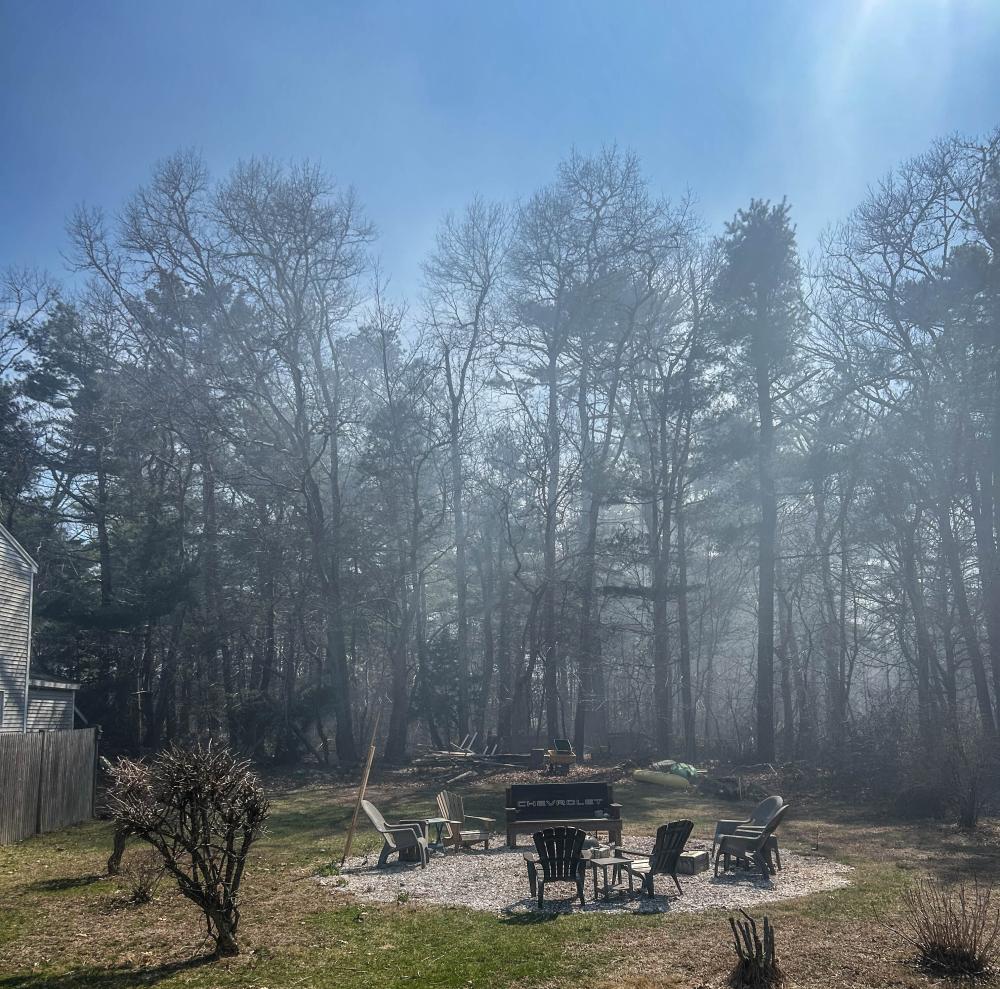 This April, an odor control method by the sewer plant filled the nearby neighborhood with smoke. Photo source: Sally Morrison
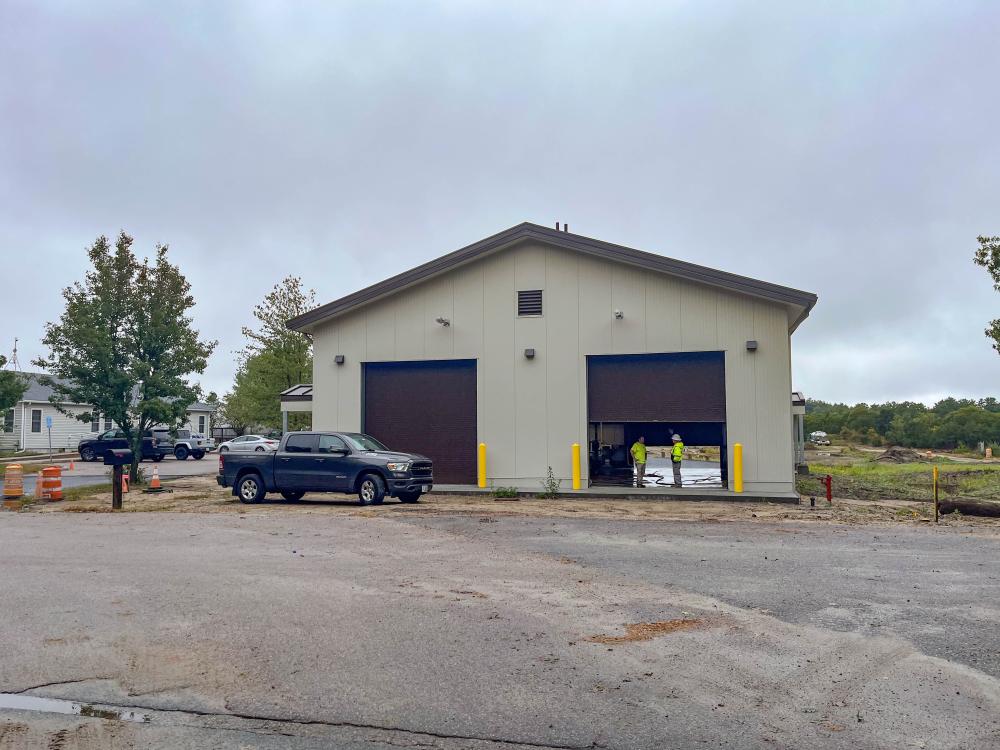 The Wastewater Pollution Control Facility. Photo by Tanvi Kulkarni
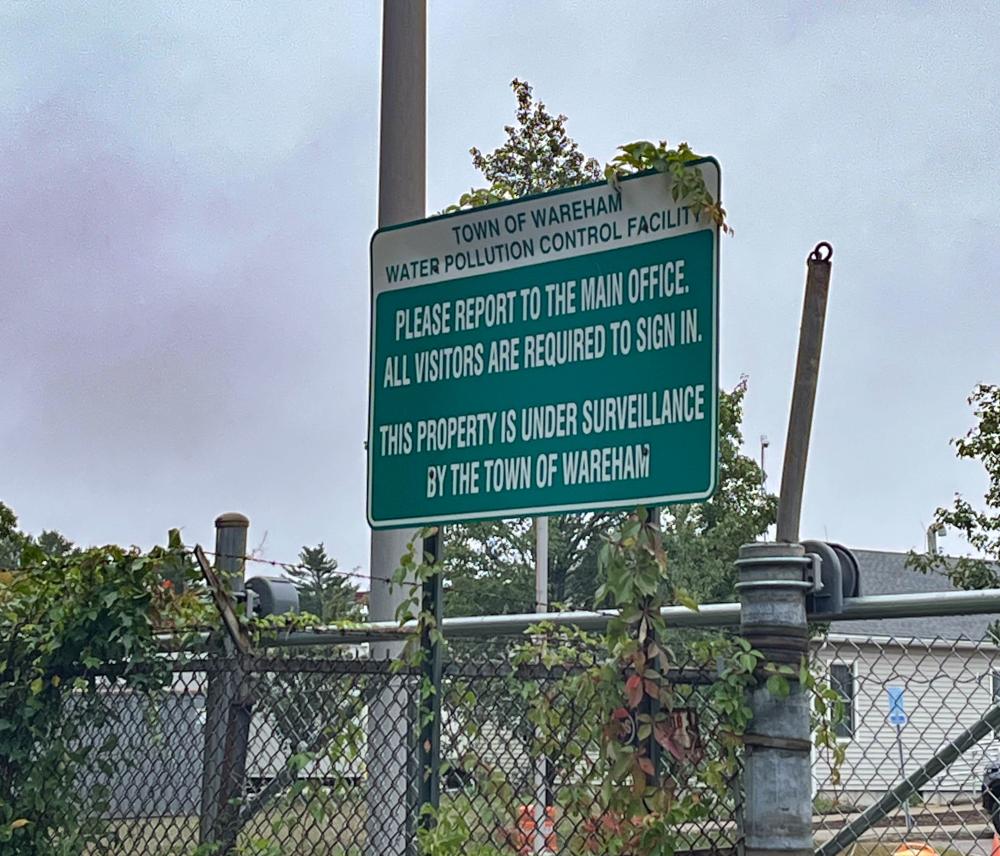 The plant handles wastewater from the town.
This April, an odor control method by the sewer plant filled the nearby neighborhood with smoke. Photo source: Sally Morrison
The Wastewater Pollution Control Facility. Photo by Tanvi Kulkarni
The plant handles wastewater from the town.
A Wareham neighborhood has been living with a regular smell of feces from the nearby wastewater treatment plant. The plant operator’s solution this spring — trying to mask the smell by burning woodchips — filled nearby homes with smoke.
The Wastewater Pollution Control Facility at 6 Tony’s Lane has been under construction for the past two years to install a vehicle storage building and new equipment, which is causing increased odors for the neighborhood surrounding Linwood Avenue.
Now, Sewer Department Director Scott Kraihanzel is working to wrap up construction and communicate more efficiently with the neighborhood. With odor control not working, Kraihanzel said “the last two years have been pretty bad.”
In a neighbors meeting on Linwood Avenue with roughly 10 people, residents expressed concerns about an odor control method the plant tried this April.
The facility burned wood chips in smokers in an attempt to cover the smell of feces, which didn’t work and filled the neighborhood and homes with smoke. The Board of Health issued a cease and desist order to the facility later that same day.
Neighborhood resident Sally Morrison said “there was ash falling from the sky.” A resident called the fire department thinking the smoke came from a fire.
“The smoke built and built until there were blankets of smoke,” Morrison said at a meeting with the Board of Health on Aug. 19, where Kraihanzel was also present. “There are several people with compromised respiratory systems in the neighborhood. It was so much that you could see smoke inside your homes.”
She said the neighborhood “takes the hit” with every plant upgrade, which has been more frequent.
The plant first had odor control issues in 2015. The plant produced 77 consecutive days of stench, a 2019 joint complaint from the neighborhood signed by 25 residents said.
“The odors can be overpowering, waking residents up at night. Not knowing when the noxious odors will erupt, or odor duration, impacts daily routines and makes it difficult for families to plan events. The odor permeates our homes,” the complaint said. “Some residents do not have air-conditioning, so closing windows to escape the smell is not an option in the heat and humidity.”
The project is due to be completed in early spring 2027. A wastewater plant in a neighborhood will sometimes still have odor without construction, but after construction, routine odor control should work and be much more manageable, he said.
“We are doing a number of things to wrap up all the construction, and once things are working the way they should, the expectation is the odor should dissipate significantly,” Kraihanzel said.