











Marks Cove Conservation Area to undergo restoration
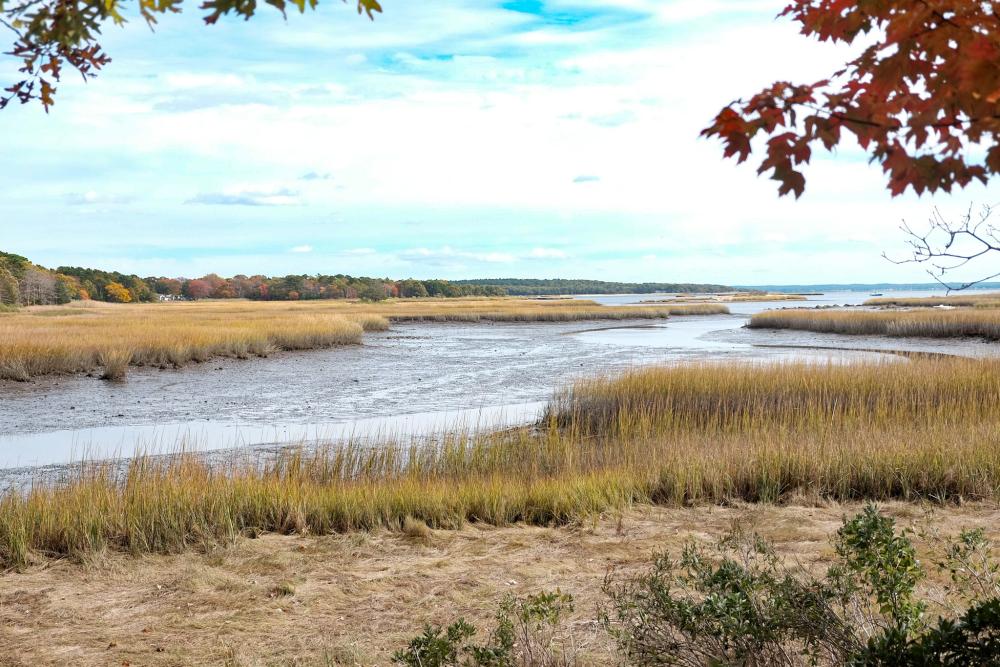 A view of Marks Cove. File photo
A view of Marks Cove. File photo
A view of Marks Cove. File photo
Wareham Conservation Commission has approved plans to restore a former cranberry bog at the northern edge of the Marks Cove Conservation Area.
The restoration effort, developed by engineering firm Fuss & O'Neill, aims to return the retired cranberry bog to a more natural wetland system by removing old agricultural infrastructure and improving tidal flow throughout the site.
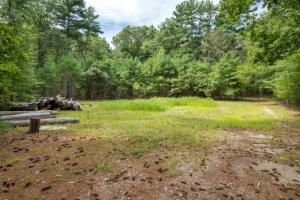
The project area, formerly known as Stone’s Bog, was farmed for cranberries until 1998 before being retired and used for passive recreation. Since farming ended, invasive vegetation and upland trees have overtaken portions of the former bog, reducing habitat diversity and limiting natural wetland function.
Under the approved plans, construction crews will fill drainage ditches, remove aging agricultural pipes and regrade the land to improve wildlife habitat and support long-term coastal adaptation.
The work will help restore natural water movement and encourage the expansion of valuable salt marsh habitat while increasing biodiversity across the site.
“While the restored site could function as a healthy freshwater marsh for now, a low-lying wetland so close to the bay will likely transition into a salt marsh over the next few decades,” said Senior Restoration Specialist Sara Quintal.
The broader conservation area includes about 118 acres of former cranberry farmland, freshwater wetlands, salt marsh and forest. The land is jointly stewarded by Mass Audubon, Wildlands Trust, Wareham Land Trust and the Coalition, which each own abutting parcels connected by approximately 2.5 miles of trails.
The bog was purchased by the Buzzards Bay Coaliton in 2015 and work with the abutters began shortly thereafter in 2016. The trail network will remain open, with new boardwalks planned in areas where berms will be opened to allow more natural tidal movement and marsh migration.
The restoration effort follows years of collaboration. In 2024, partners secured a NOAA Making Space grant to help design and implement salt marsh migration pathways in former cranberry bogs, including at the Marks Cove site.
Invasive species management began in 2026, and one remaining federal permit is still under review before construction can officially begin. Work is expected to start in late 2026 with completion anticipated in spring 2027.