











Sewer Department will lease unused land, bring in revenue
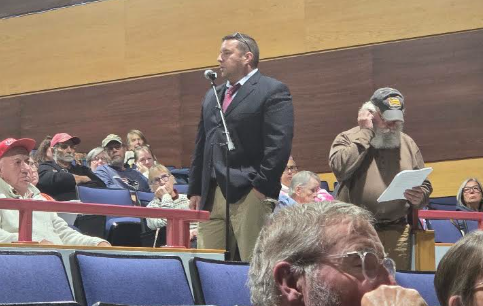 Scott Kraihanzel speaks at Town Meeting on Oct. 26. Photo by Tanvi Kulkarni
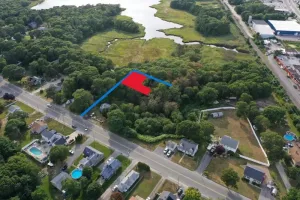
The Wastewater Pollution Control Facility will lease seven acres of unused sewer property to a company for a solid waste handling plant, eliminating a massive town expense and bringing in revenue from surrounding towns.
Leasing the land will remove costs for the plant up to $500,000 and bring in revenue from surrounding areas through handling their waste biosolids.
The town currently sends biosolid waste to Woonsocket, Rhode Island for incineration and disposal. This plant will soon go offline, and the next closest one is in Ohio.
The Oct. 26 Town Meeting voters declared the unused land as surplus in a 113-46 vote. Moving forward, the land will be loaned to a company through a 30-year lease, allowing the company to build a sewer plant for waste management.
Many voters spoke in favor of the declaration, quoting the massive increase in costs right around the corner.
“Right now, our rates are what they are. With a $500,000 bill every year, can you imagine what it’s going to be like when we have to take that sludge to Ohio,” said Sewer Commissioner Sandy Slavin. “All we’re looking for is the possibility of leasing this land.”
Other voters expressed worries about increased traffic from other towns bringing sewer waste to the town for disposal, as well as companies looking to maximize profits at the expense of residents. Many voters spoke about the odor control issues that the facility has already had.
“I can’t imagine what it would be like, and I really beg residents: Please don’t pass this,” said Sarah Bolton, who lives on Linwood Avenue near the facility.
Sewer Department Director Scott Kraihanzel addressed the concerns and the town’s need for this project.
“That cost [of handling waste biosolids] is about to skyrocket,” Kraihanzel said. “Yes, it’s about money, but we would be the regional location to bring biosolids in. It should enhance the neighbors’ ability to live better.”
When asked what other plants are doing at the state level, Kraihanzel said the state government has made it more difficult and expensive to dispose of waste biosolids. Currently, pyrolysis is the best option and companies are interested in using the property for this purpose.
“If someone comes up with a better process, we would like to move on to that. But if we keep having to come back [to Town Meeting without much progress], we’re going to lose the business interest,” Kraihanzel said.