











Conservation efforts get $1.5 million in state grants
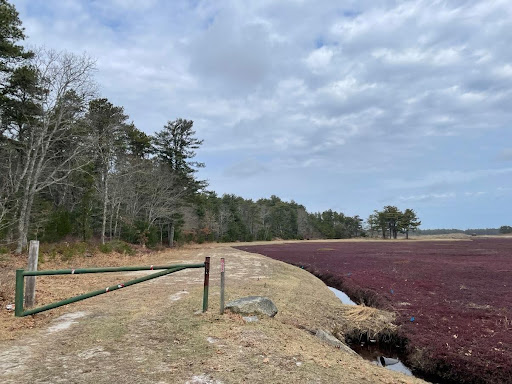
The Buzzards Bay Coalition and the Town of Wareham have received a combined $1,475,373 in state grants for two conservation projects slated for Wareham acreage.
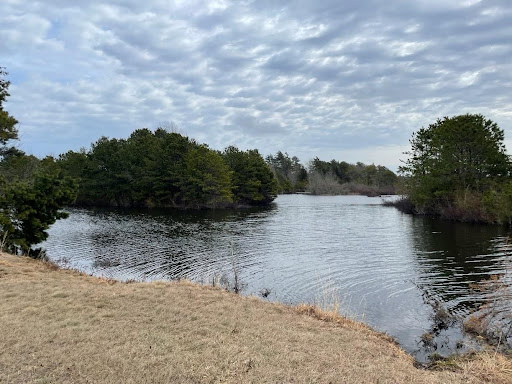
The larger $1,250,000 grant to the town and the nonprofit Coalition will go toward the Lower Agawam River Landscape Project. The project, aimed at conserving 350 acres, will “retire” some cranberry bogs and restore wetlands to benefit wildlife and protect Wareham’s water supply.
The grant will fund the aquisition of conserved lands from around Myles Standish State Park to Route 25.
Announced on July 15 as one of three projects in the state funded through the state Office of Energy and Environmental Affairs’ Landscape Partnership Grant Program, it is described as “the opportunity to . . . benefit fish and wildlife habitat in the Lower Agawam River and the adjacent large contiguous pine barrens just above the head of tide in Wareham.”
"The Agawam River is a primary freshwater tributary river flowing into Buzzards Bay and supports a diverse assemblage of fish, wildlife, and birds, including one of the region’s most important migratory river herring runs," says Brendan Annett, Vice President of Watershed Protection. "This large acreage project will protect several thousand feet of its shoreline."
As part of the project, the Coalition aims to create trails and other ways for the public to enjoy “passive recreation” on the acreage.
Two days earlier, on July 13, the state’s Department of Fish and Game awarded $225,373 to the Buzzards Bay Coalition for the Buzzards Bay Watershed Restoration Partnership, which includes Wareham.
That project includes towns, land trusts, and private landowners across 14 municipalities, including Wareham, within the 432 square mile Buzzards Bay watershed in southeastern Massachusetts.
According to the Massachusetts Department of Fish and Game, the award will be used for restoration projects like "river and stream connectivity through dam removal and culvert replacements, salt marsh restoration and migration, and the restoration of retired cranberry bogs."