











Wareham hits state affordable housing benchmark, gives town more control over development
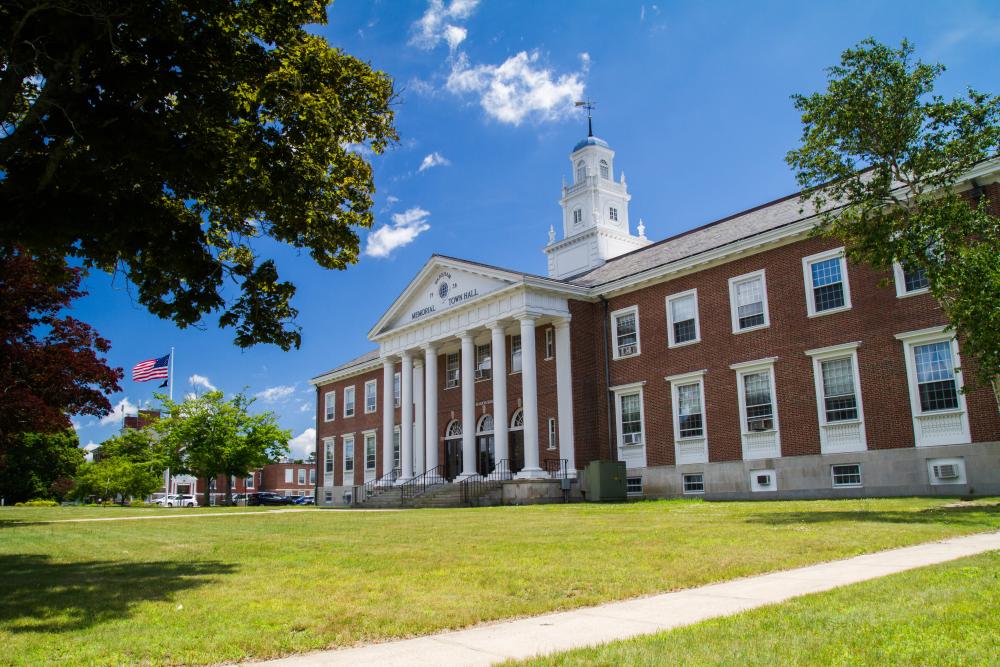 Wareham has hit the state's affordable housing benchmark which grants the town more control over future affordable housing development. File photo
Wareham has hit the state's affordable housing benchmark which grants the town more control over future affordable housing development. File photo
Wareham has hit the state's affordable housing benchmark which grants the town more control over future affordable housing development. File photo
Wareham received notice earlier this week from the office of Housing and Liveable Communities, the state agency that oversees affordable housing, that just over 11% of the town’s total housing is affordable.
Under Chapter 40B, the state’s affordable housing law, municipalities with over 10% of their total housing deemed affordable receive the “safe harbor” distinction. According to Director of Planning and Community Development Josh Faherty, the distinction gives Wareham more control over affordable housing development in town.
“When we’re in safe harbor we have the ability to enforce a lot of our local protections without fear that our case gets appealed to the Housing Appeals Committee and gets overturned,” Faherty said.
Prior to receiving the safe harbor distinction, Faherty said affordable housing projects were difficult to successfully deny and the projects were granted a number of waivers non-affordable housing projects do not get.
“Almost the entirety of our zoning bylaws could be waived and almost the entirety of our wetland protection act could be waived,” he said.
In the five months Faherty has been the director of planning and community development, he said there have been two big affordable housing projects that helped push Wareham into safe harbor.
The two approved projects include a 40-unit expansion of Cranberry Manor located at 2220 Cranberry Highway where all units are made affordable for senior citizens and a 180-unit A.D. Makepeace housing project that includes 45 affordable units near the Rosebrook Business Park.
Currently, there is one affordable housing project still pending town approval, a 20-unit property proposed for 4 West Street. Faherty said because the project was proposed before the town received the safe harbor distinction, the project will still be granted several waivers even though the percentage of affordable housing has changed.
Faherty added the safe harbor distinction does not prevent developers from proposing future affordable housing projects, but it “restores the town’s control over them.”
“Now the town has a more defensible position to deny [affordable housing] applications that are inconsistent with our bylaws,” he said.