











Wildlife in Wareham: What birds can you see around town
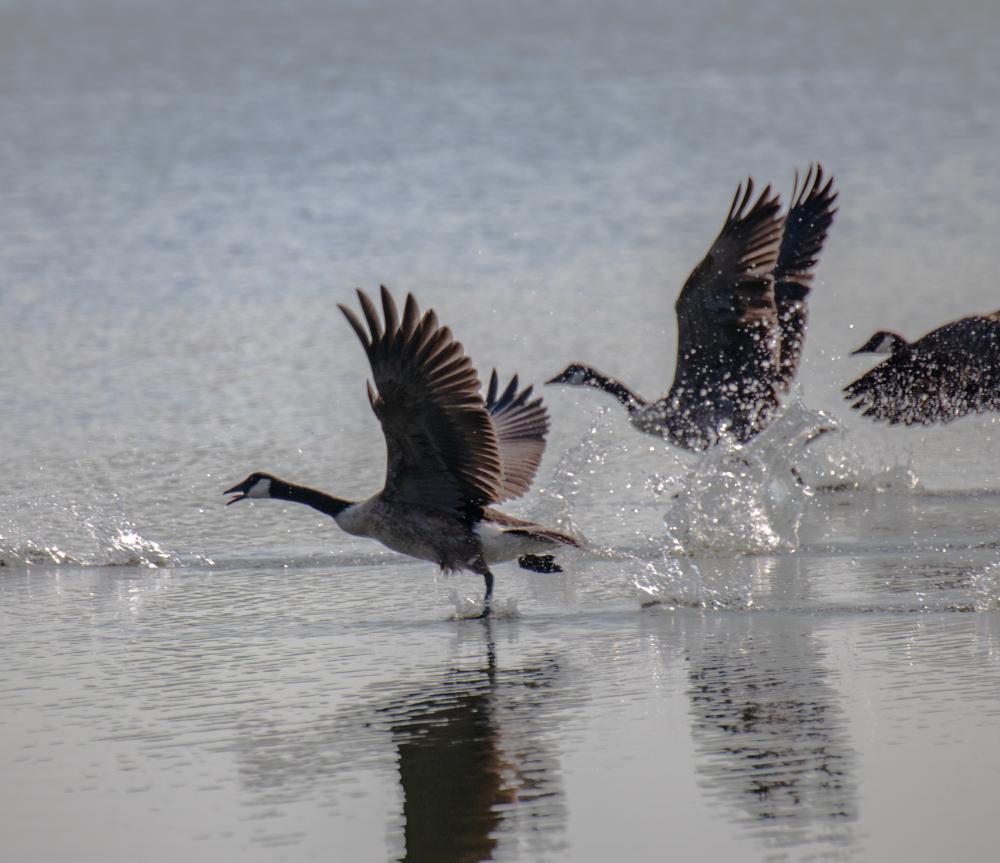 Canada Geese takeoff from the Wareham River behind Merchants Way. Photos by Bobby Grady
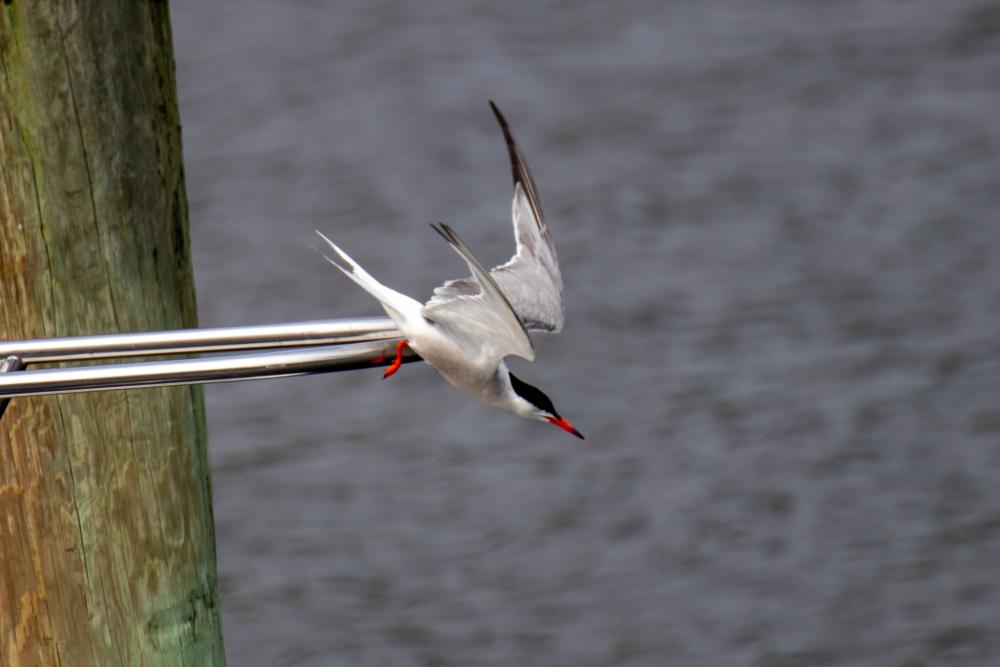 A Common Tern nosedives toward the Wareham River.
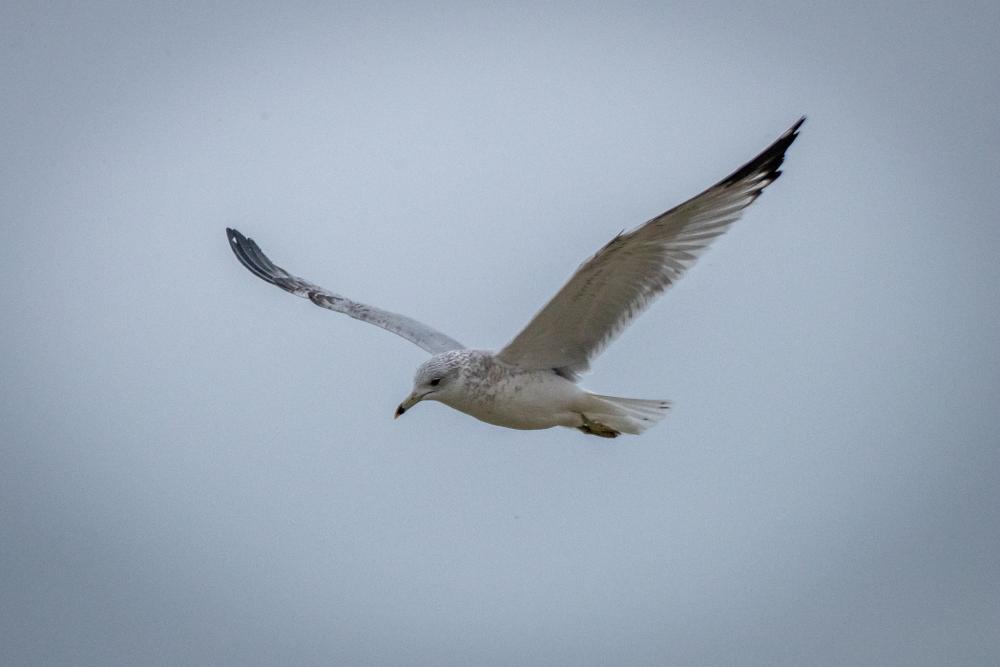 A Ring-billed Gull mid flight at Onset Beach.
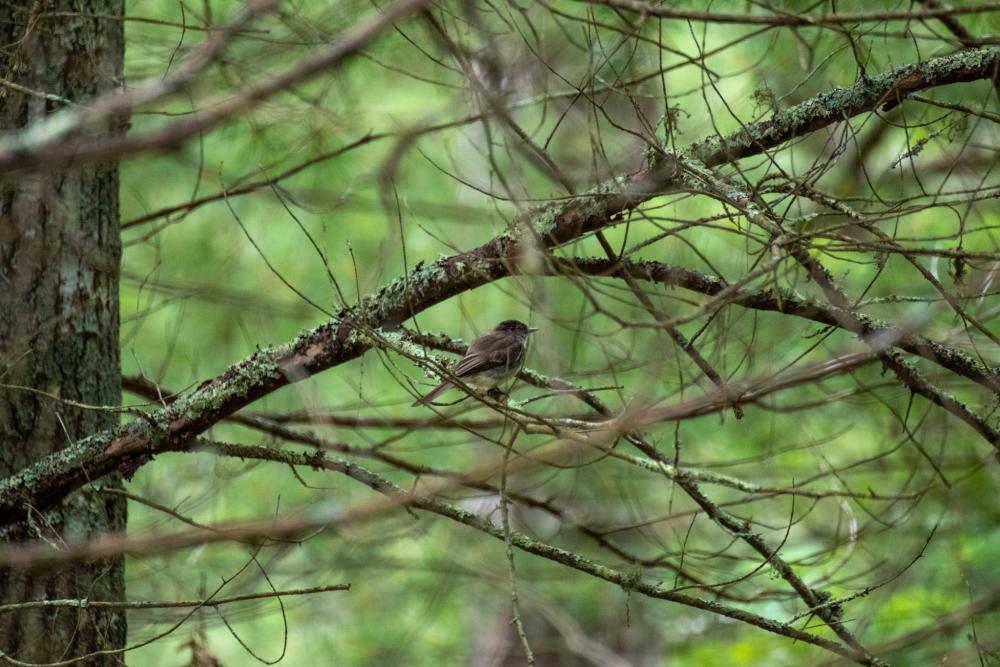 An Eastern Phoebe hides in the trees at the Great Neck Wildlife Sanctuary.
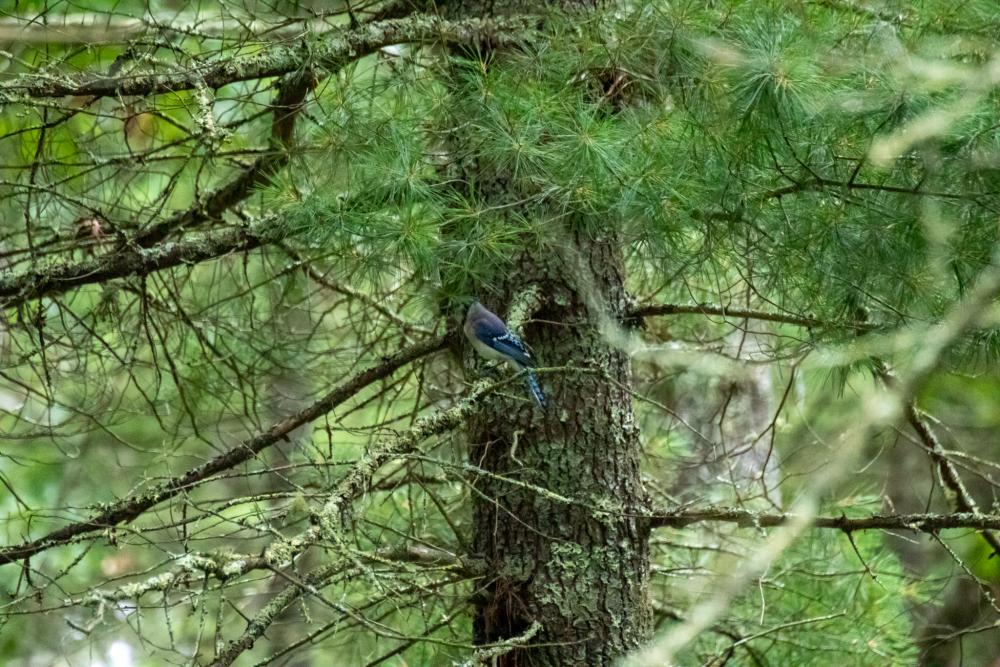 This Blue Jay was tough to spot as it bounced around branches in the Great Neck Wildlife Sanctuary.
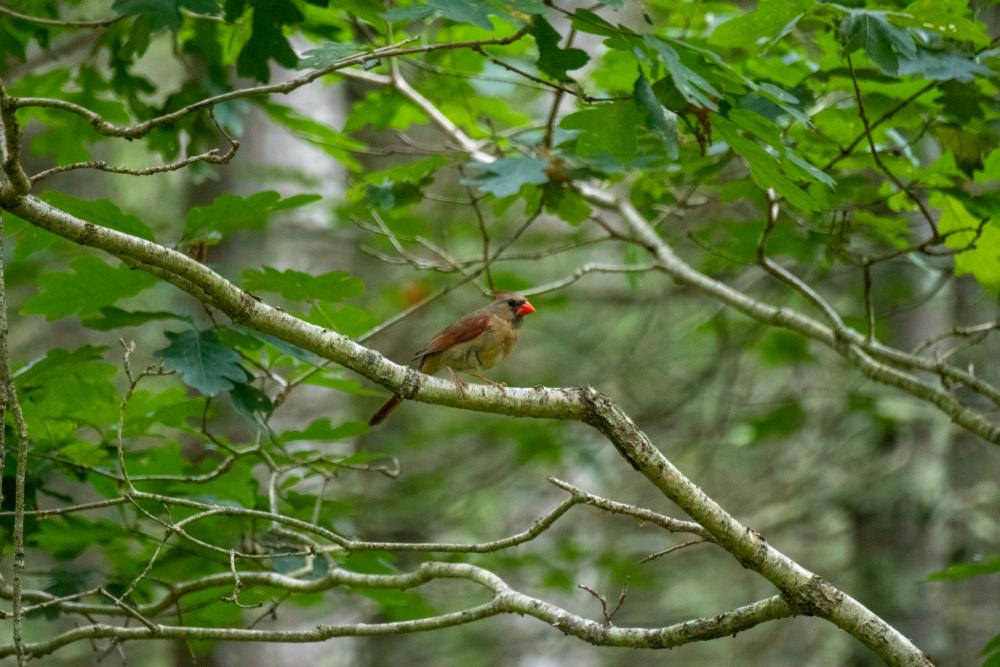 A female Northern Cardinal in the Great Neck Wildlife Sanctuary.
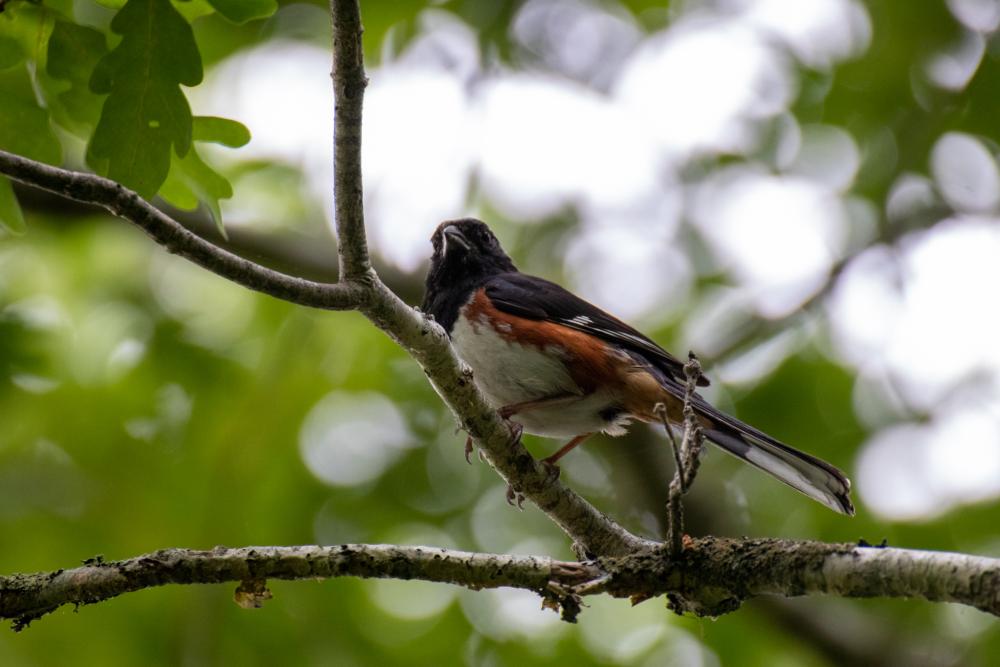 An Eastern Towhee wasn't afraid to get close to the camera in the Great Neck Wildlife Sanctuary.
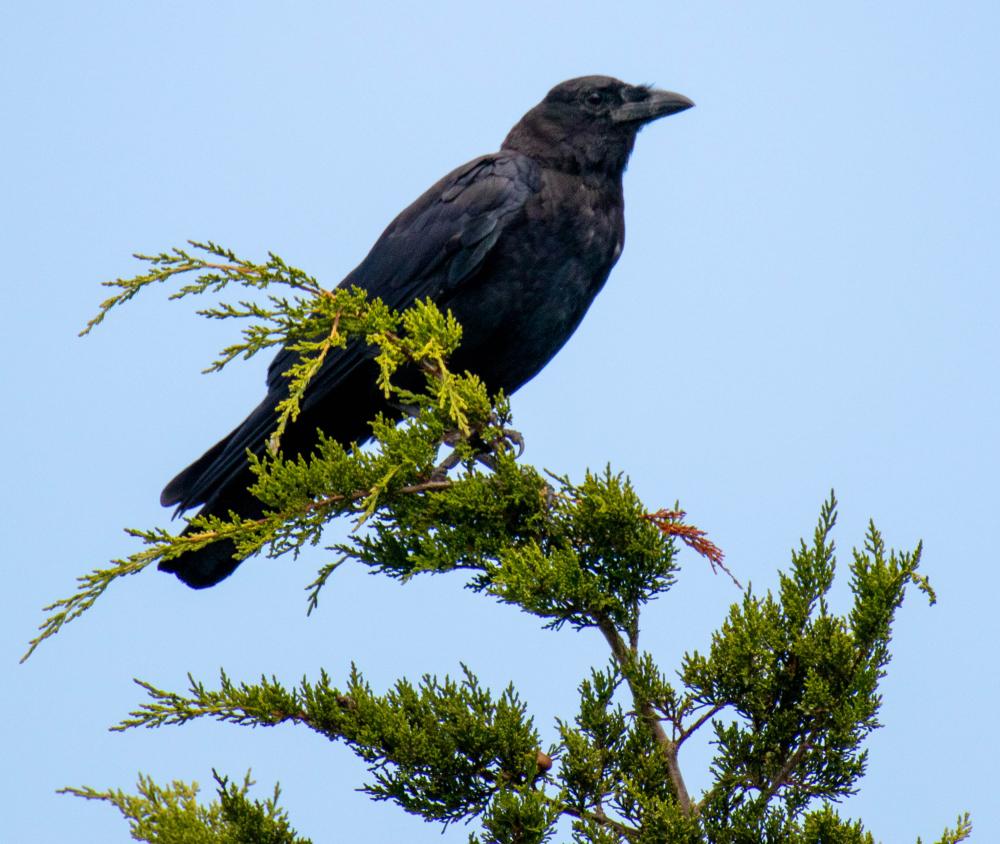 This Fish Crow enjoyed hanging out by the Wareham River behind Merchants Way.
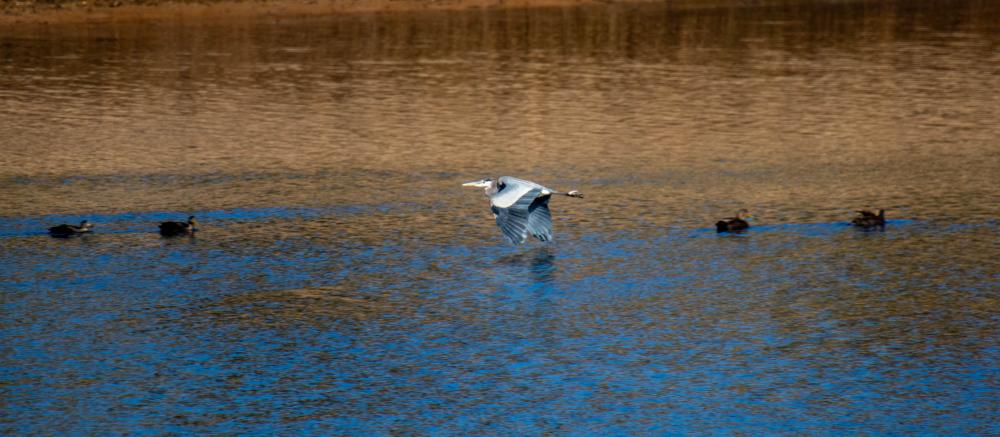 A Great Blue Heron flies low to the Wareham River.
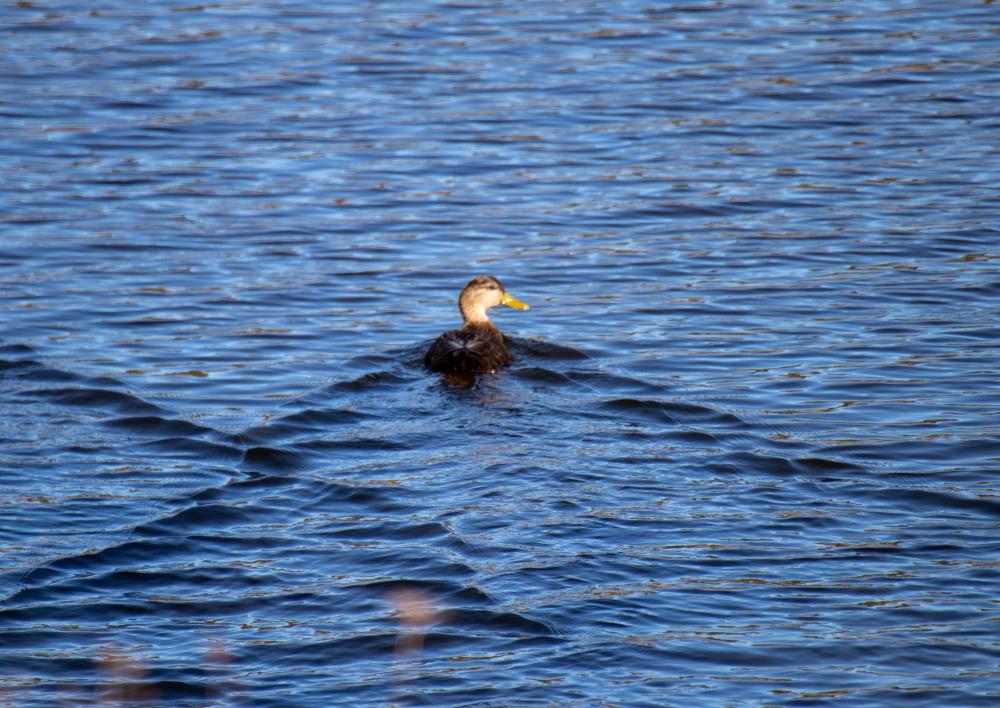 American Black Ducks are easy to find in the Wareham River.
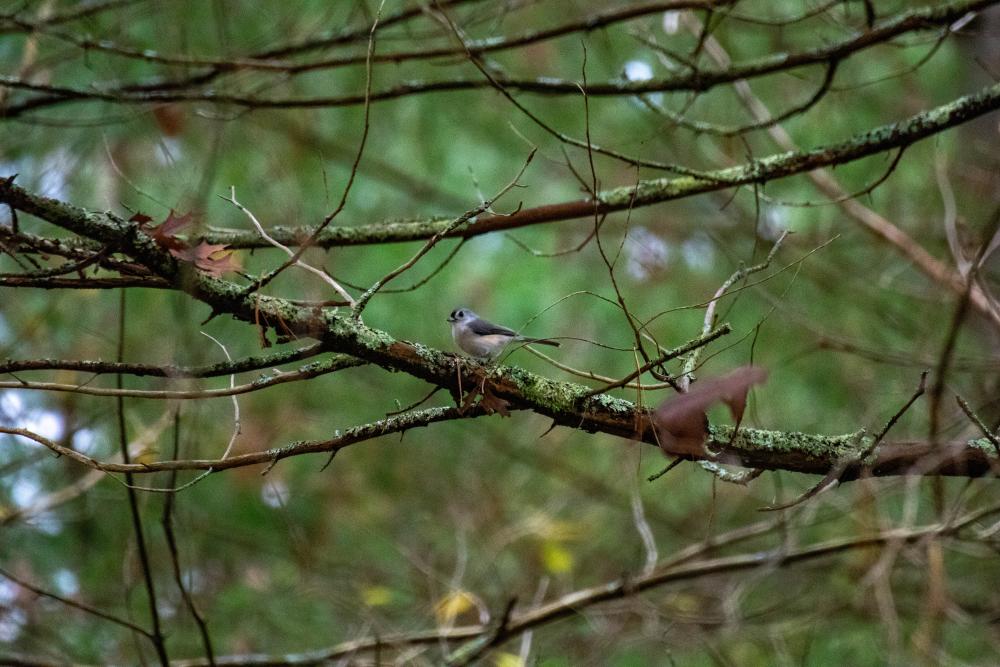 The Tufted Titmouse blends in with its surroundings in the Great Neck Wildlife Sanctuary.
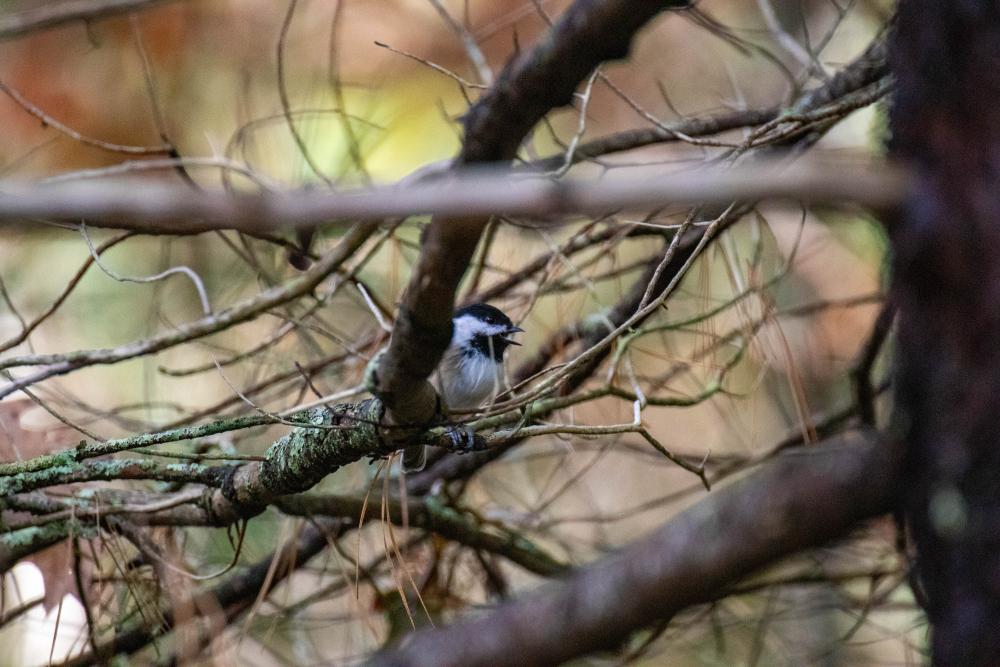 Like the Tufted Titmouse, the Black-capped Chickadee can be tough to spot in the Great Neck Wildlife Sanctuary.
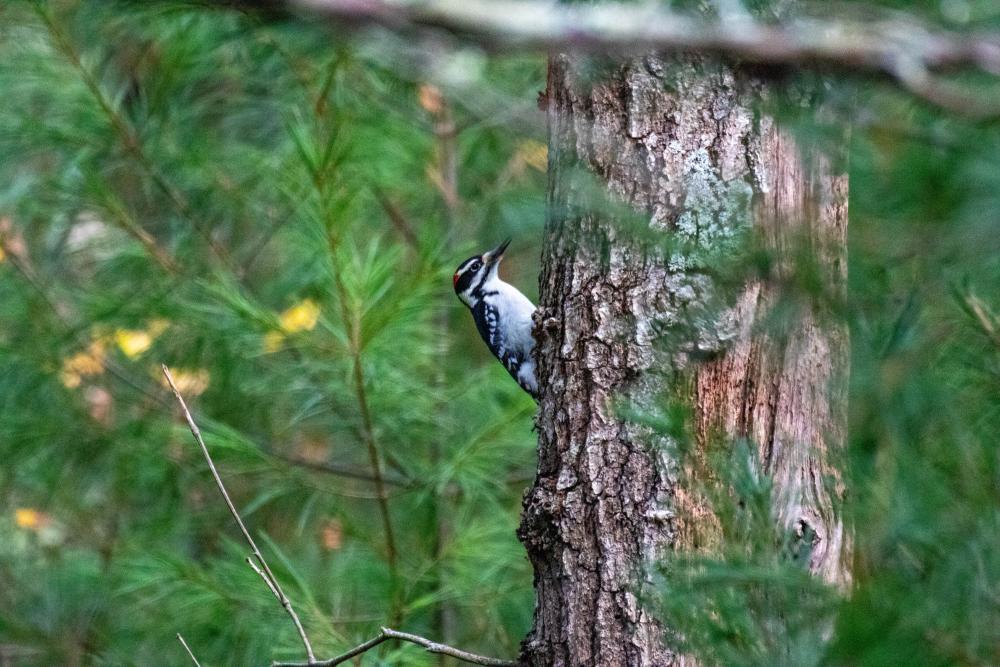 This Hairy Woodpecker must be looking for something in the Great Neck Wildlife Sanctuary.
Canada Geese takeoff from the Wareham River behind Merchants Way. Photos by Bobby Grady
A Common Tern nosedives toward the Wareham River.
A Ring-billed Gull mid flight at Onset Beach.
An Eastern Phoebe hides in the trees at the Great Neck Wildlife Sanctuary.
This Blue Jay was tough to spot as it bounced around branches in the Great Neck Wildlife Sanctuary.
A female Northern Cardinal in the Great Neck Wildlife Sanctuary.
An Eastern Towhee wasn't afraid to get close to the camera in the Great Neck Wildlife Sanctuary.
This Fish Crow enjoyed hanging out by the Wareham River behind Merchants Way.
A Great Blue Heron flies low to the Wareham River.
American Black Ducks are easy to find in the Wareham River.
The Tufted Titmouse blends in with its surroundings in the Great Neck Wildlife Sanctuary.
Like the Tufted Titmouse, the Black-capped Chickadee can be tough to spot in the Great Neck Wildlife Sanctuary.
This Hairy Woodpecker must be looking for something in the Great Neck Wildlife Sanctuary.
This Hairy Woodpecker must be looking for something in the Great Neck Wildlife Sanctuary.
Canada Geese takeoff from the Wareham River behind Merchants Way. Photos by Bobby Grady
A Common Tern nosedives toward the Wareham River.
A Ring-billed Gull mid flight at Onset Beach.
An Eastern Phoebe hides in the trees at the Great Neck Wildlife Sanctuary.
This Blue Jay was tough to spot as it bounced around branches in the Great Neck Wildlife Sanctuary.
A female Northern Cardinal in the Great Neck Wildlife Sanctuary.
An Eastern Towhee wasn't afraid to get close to the camera in the Great Neck Wildlife Sanctuary.
This Fish Crow enjoyed hanging out by the Wareham River behind Merchants Way.
A Great Blue Heron flies low to the Wareham River.
American Black Ducks are easy to find in the Wareham River.
The Tufted Titmouse blends in with its surroundings in the Great Neck Wildlife Sanctuary.
Like the Tufted Titmouse, the Black-capped Chickadee can be tough to spot in the Great Neck Wildlife Sanctuary.
This Hairy Woodpecker must be looking for something in the Great Neck Wildlife Sanctuary.
Wareham has over 30 miles of total coastline and nearly another 700 acres of conservation land. This combination of coastline and protected forest makes Wareham not only a great place for people to live, but for birds too.
With several different kinds of species that inhabit Wareham, here are photos of just a few fun facts to go along with them.
Canada Goose. Whether at a ball park or near any body of water, the Canada Goose is a hard one to miss. They can often be seen flying overhead in flocks, letting out their distinctive honks.
But according to Mass Audubon, the Canada Goose was not always a common sight in Massachusetts. Prior to a hunting ban on the birds in the 1930s, Canada Geese did not nest and breed in Massachusetts but today, they are the only species of goose to breed in the commonwealth.
The goose also does not migrate out of the state. According to Mass Audubon, Canada Geese may bounce from body of water to body of water but they will stay in Massachusetts.
Common Tern. The Common Tern is a small white and black bird often seen around bodies of water, especially in the north eastern part of the U.S.
According to the National Audubon Society, these birds like shallow waters for easy fishing and open islands and beaches for nesting.
But don’t expect to see too many of these birds this winter. They often travel south, as far as Peru and Argentina, to escape the colder weather.
Ring-billed gull. While Massachusetts plays host to many kinds of gulls, the Ring-billed is one of the most common, often seen scavenging for food anywhere and everywhere.
While common today, it wasn’t until 1912 that the first breeding gulls were found in Massachusetts.
For beachgoers or homeowners who can’t seem to keep these birds out of their trash, Mass Audubon recommends keeping all food away from them using closed containers.
Eastern Phoebe. Another bird not afraid to make its nest near people is the Eastern Phoebe.
According to Mass Audubon, these small birds are difficult to clearly identify, given their grey and white feathers, but easy to identify through their behavior.
The Eastern Phoebe will “sally forth,” or jump from perch to perch while hunting insects and flick their tail up while resting on a perch.
Blue Jay. Unlike the Eastern Phoebe, the Blue Jay’s distinct blue feathers, and several other traits, make it stand out from other birds.
Another one of the Blue Jay’s distinctive traits is its vocal range. Using a variety of calls, these birds use their voice to chase other birds off during breeding season.
While still common, Mass Audubon reports there is a small decline in Blue Jays across the state.
Northern Cardinal. Much like the Blue Jay, the Northern Cardinal’s bright red feathers make it stand out in the forest.
But the bright red is distinctive for males. Female cardinals are mostly tan and brown with some red on their bodies.
The Northern Cardinal is also unique in that they often do not form flocks. Oftentimes these birds will keep the same mate over the seasons and choose to spend quality time with their partners instead of hanging out in a big group.
Eastern Towhee. The Eastern Towhee is a somewhat secretive, yet still common bird, choosing to spend its time underneath the canopy of a forest instead of out in the open.
These 7-and-a-half to 8 inch tall birds very really spend their winters in New England. Oftentimes they will travel up to places like Wareham only to breed before migrating back south.
Fish crow. The Fish Crow is one of the two most common crows in Massachusetts and is often regarded as an incredibly smart bird.
According to Mass Audubon, crows are said to be able to count and are very good at identifying different objects. Unlike these crows, many people get the Fish Crow and American Crow mixed up.
While the Fish Crow is slightly less common and a little smaller than the American, the best way to distinguish them is by their call. The Fish Crow sounds much more nasally than the American.
Great Blue Heron. These four-foot tall birds were once a rare sight in Massachusetts but in the last few decades, the Great Blue Heron has become increasingly common.
As one of the tallest birds in Massachusetts, the Great Blue Heron is a hard one to miss when it is gracefully flying over the wetlands they call home.
But the Great Blue Heron will not stick around for the winter. The best time to see one is between March and late September.
American Black Duck. The American Black Duck, a close relative to the Mallard, likes to spend its time further north than most ducks, making it a common bird in Wareham.
The American Black Duck is often mistaken for a female Mallard but once it takes flight, the white underwings on the black duck make it easier to identify.
Tufted Titmouse. Don’t mess with this bird. Despite its small stature, the Tufted Titmouse is not one to back down from a challenge.
Standing at a towering 6 inches tall, this bird will stand up to intruders using its voice and even steal fur off sleeping mammals for its nest.
Black-capped Chickadee. Despite looking like the Tufted Titmouse, the Black-capped Chickadee is less bold and more curious while looking for food.
The official bird of Massachusetts uses its strong feet and small size to its advantage, crawling to the very edges of a branch and even hang upside down to get something to eat.
Hairy Woodpecker. The Hairy Woodpecker shares many physical similarities to the most common woodpecker in Massachusetts, the Downy.
But unlike the Downy, the Hairy chooses to keep away from people, staying in forests to make its nest and hunt for food.