











One man's exploration of New World rock art
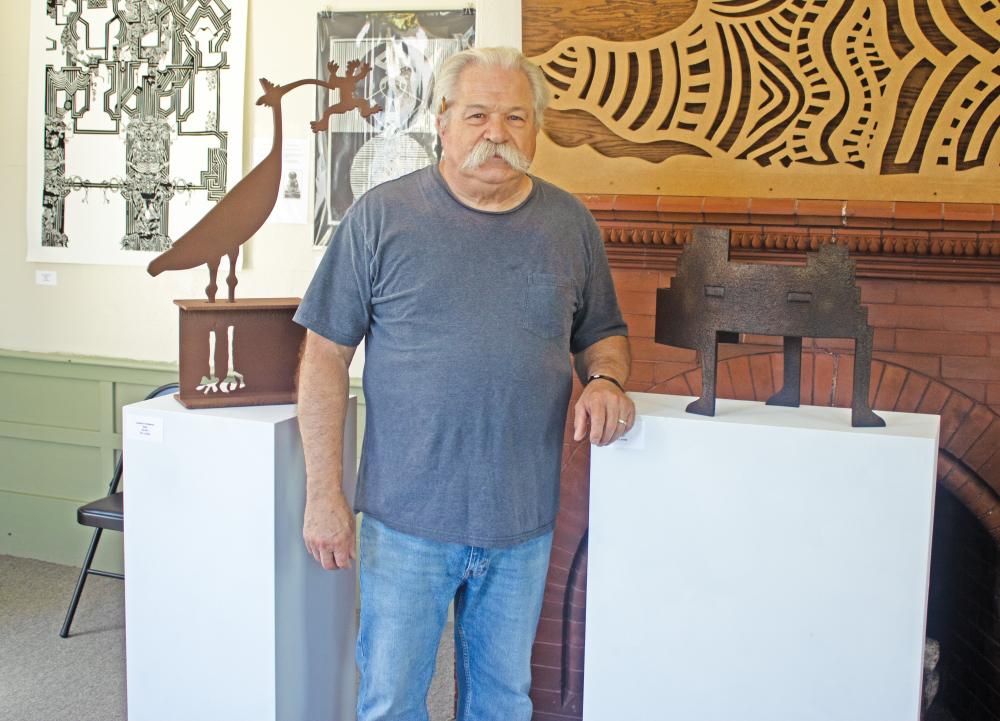 Eric Lintala has been photographing petroglyphs since the 1980s and creates sculptures based on what he sees. Photos by Abby Van Selous
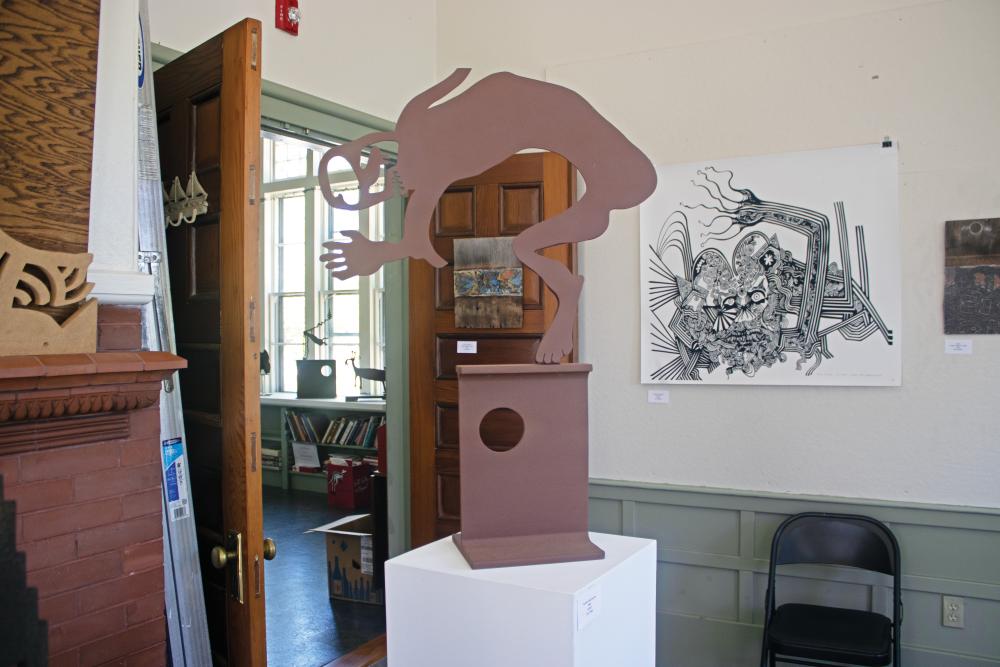 One of Lintala's large statues on display.
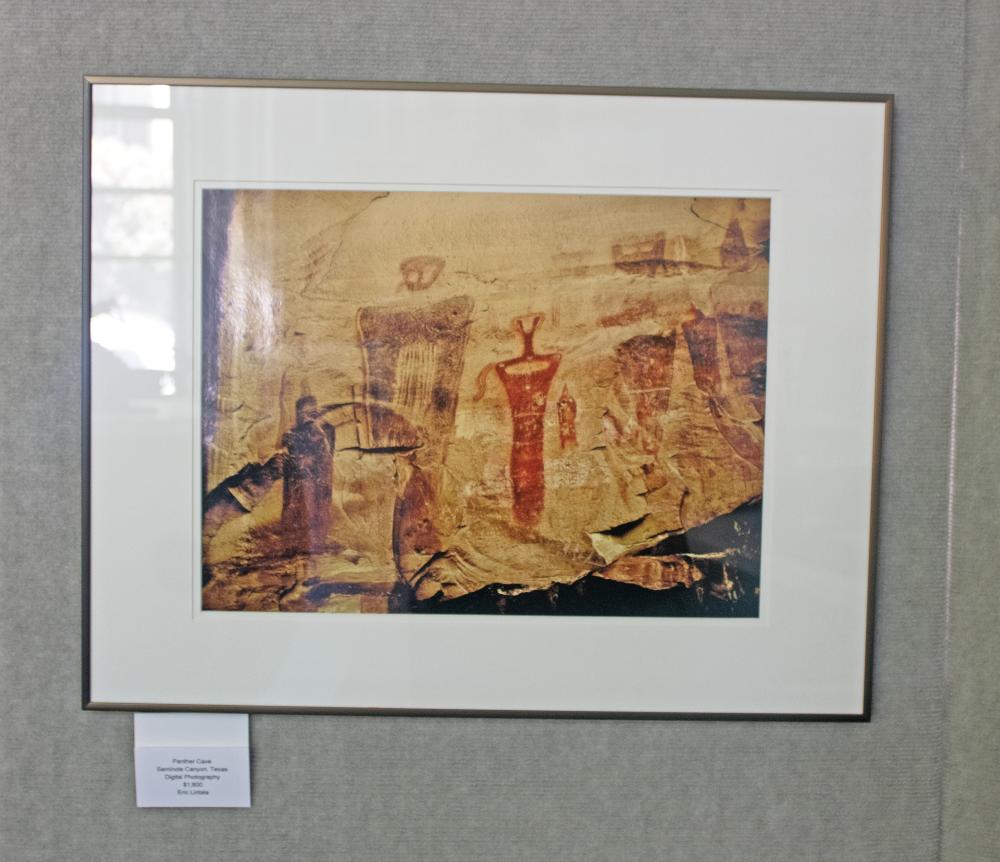 A photograph Lintala took of some petroglyphs.
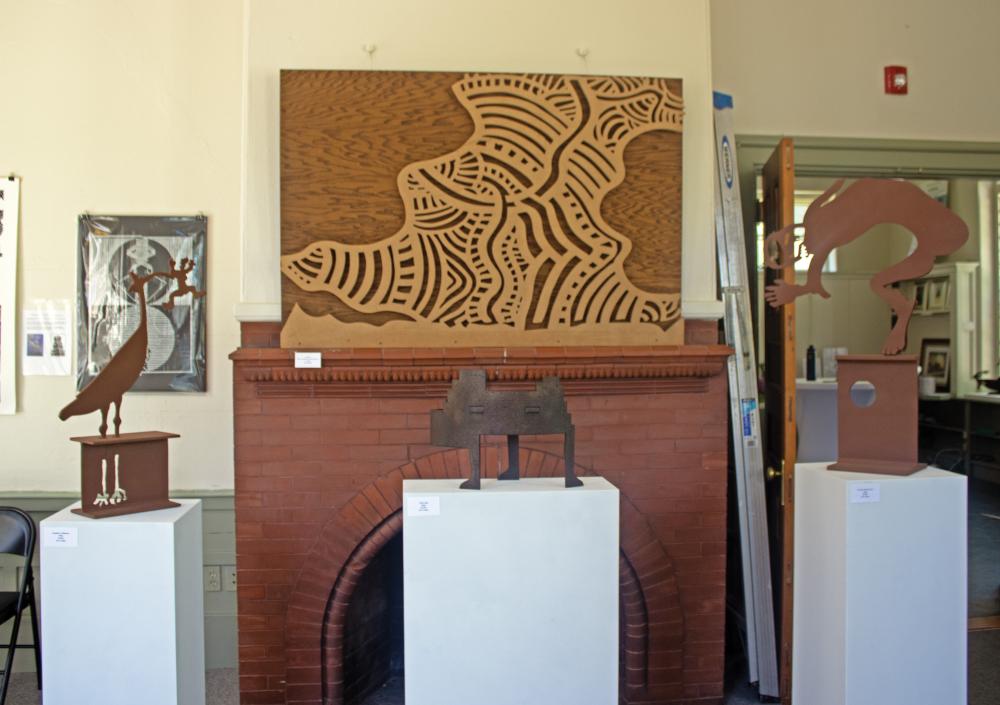 Some Lintala's sculptures on display in the Dartmouth Cultural Center.
 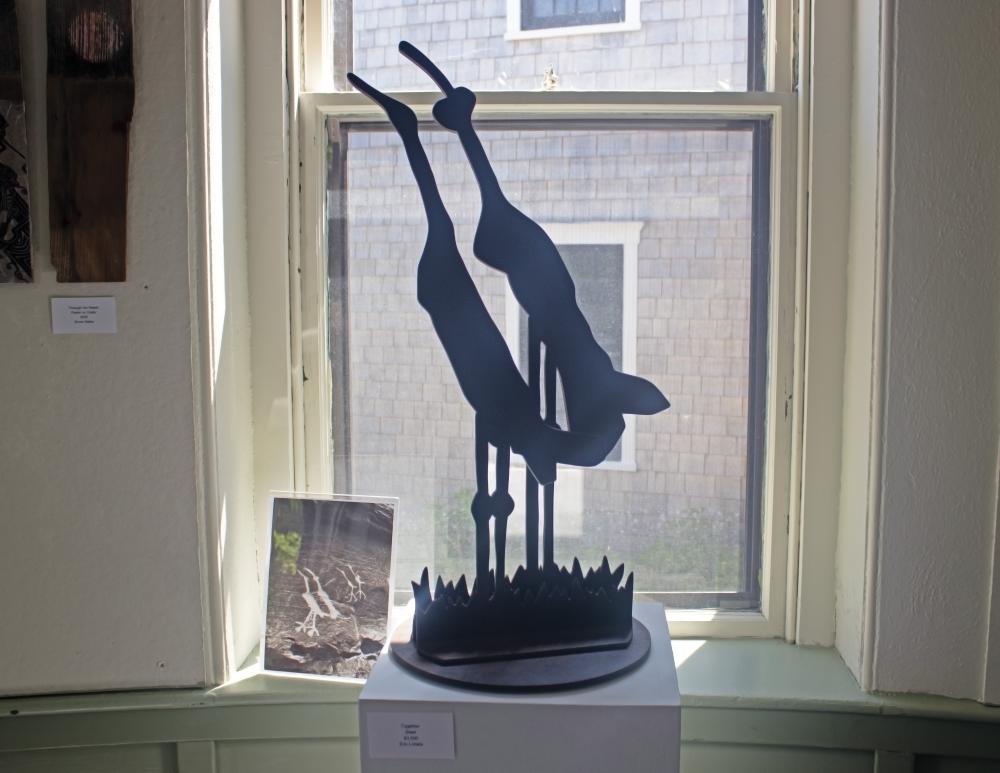 In this sculpture inspired by a petroglyph of two birds, Lintala imagined one to be male and the other female.
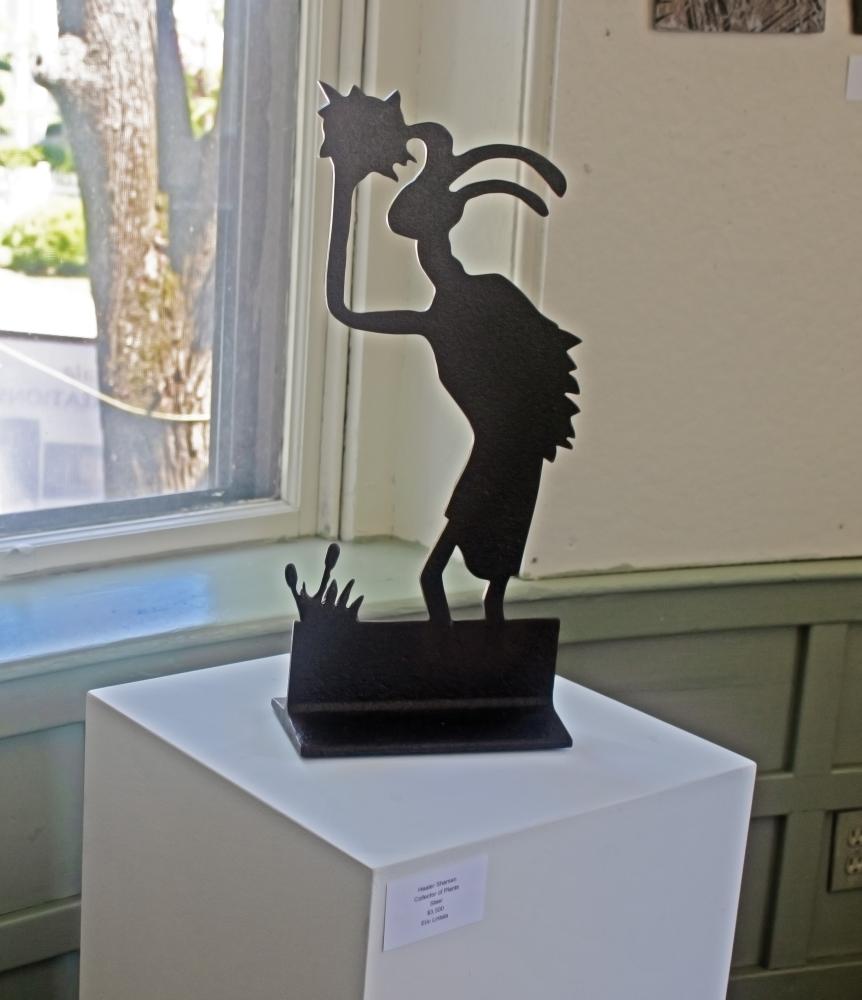 This figure comes from a petroglyph Lintala saw, though he chose to add a splash of water in the bottom left.
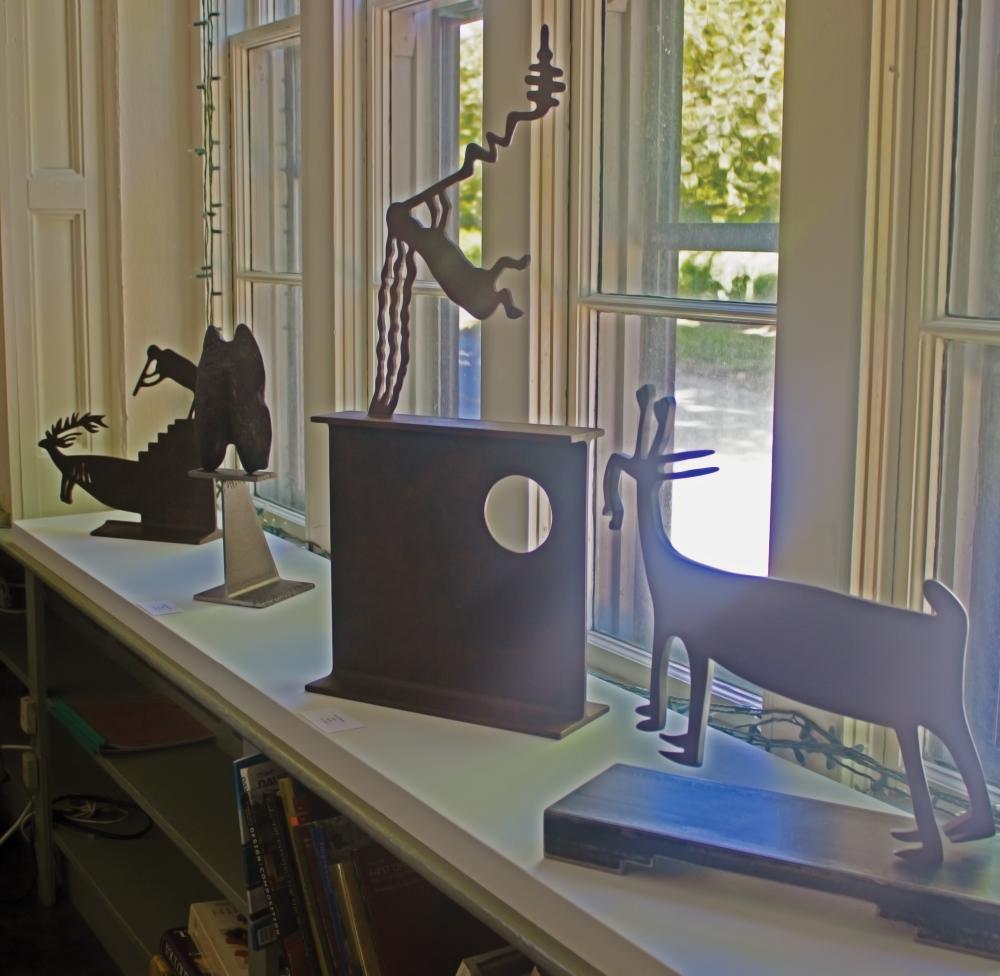 Sculptures on display, including a piece inspired by Lintala's niece.
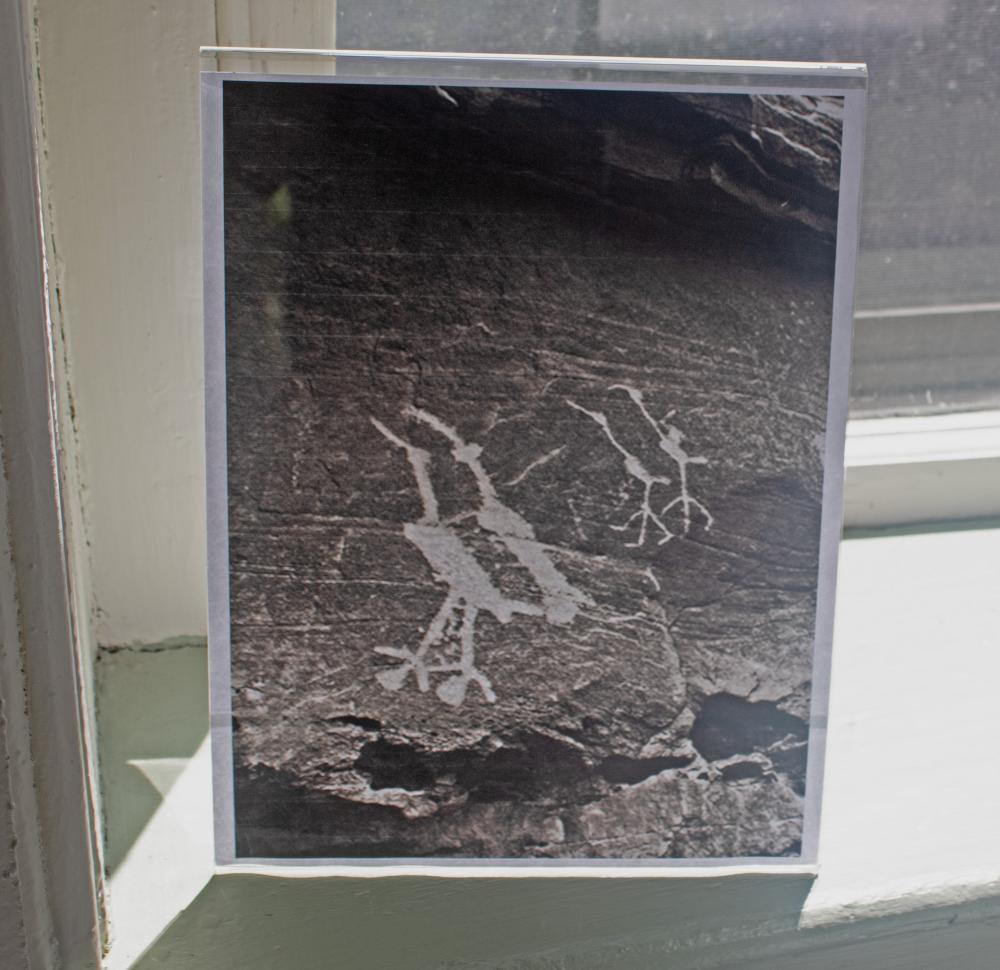 A petroglyph that inspired one of Lintala's sculptures.
Eric Lintala has been photographing petroglyphs since the 1980s and creates sculptures based on what he sees. Photos by Abby Van Selous
One of Lintala's large statues on display.
A photograph Lintala took of some petroglyphs.
Some Lintala's sculptures on display in the Dartmouth Cultural Center.
In this sculpture inspired by a petroglyph of two birds, Lintala imagined one to be male and the other female.
This figure comes from a petroglyph Lintala saw, though he chose to add a splash of water in the bottom left.
Sculptures on display, including a piece inspired by Lintala's niece.
A petroglyph that inspired one of Lintala's sculptures.
A petroglyph that inspired one of Lintala's sculptures.
Eric Lintala has been photographing petroglyphs since the 1980s and creates sculptures based on what he sees. Photos by Abby Van Selous
One of Lintala's large statues on display.
A photograph Lintala took of some petroglyphs.
Some Lintala's sculptures on display in the Dartmouth Cultural Center.
In this sculpture inspired by a petroglyph of two birds, Lintala imagined one to be male and the other female.
This figure comes from a petroglyph Lintala saw, though he chose to add a splash of water in the bottom left.
Sculptures on display, including a piece inspired by Lintala's niece.
A petroglyph that inspired one of Lintala's sculptures.
Eric Lintala of Wareham has been interested in archeology and paleontology ever since he was a kid, but it wasn’t until he started college in the 70s that his interest extended to prehistoric rock art.
Now, he has spent years exploring and researching petroglyphs and rock art and taking inspiration from the art he’s seen for his sculptures, which he makes out of steel.
To create his sculptures, Lintala uses a grinder, a welder and files rather than tools like a laser cutter.
“I need hands on,” he said. “I need to cut that edge and grind it and file and feel it.”
Petroglyphs are images created in a rock surface and date back thousands of years. They can be found in many parts of the world, though Lintala’s favorites can be found in the southwestern United States.
“It was when I researched going into the southwest when it really exploded,” he said, “Because what we have out in the southwest is just incredible.”
Lintala has been taking trips out west almost every year since 1986, stopping only when the covid-19 pandemic hit.
“I’m anxious to now get out there again and just continue the research, continue the artwork,” he said.
While he has mostly explored known sites, Lintala once also discovered never-before-recorded rock art while backpacking in Utah.
“I’m scanning the cliffs, and I’m not seeing anything, and then all of a sudden something starts to appear because the sun is hitting that incised carving just right,” he said.
As Lintala took in the artwork — a 20-foot long snake with an anthropomorph figure with a staff above it — it started to fade away, eventually disappearing all together.
He chose to hike out to the cliff face, which he called a “hellacious hike.”
“When I got there, it was obvious nobody has ever been there,” he said. “There’s no paths, there was no nothing.”
Based on the photos he took, Lintala could see older images carved over and over in the same spots.
“They use the same sheet of paper, basically, for thousands of years,” he said.
Lintala sent photos of the petroglyph to a head archeologist in Utah and soon after received a letter from the State Department in Washington, D.C., confirming that he had made an official discovery.
Lintala noted that while researchers are trying to determine the meaning behind petroglyph carvings, “it’s obvious nobody really knows what any of it meant.”
“You can understand some of the symbolism where there’s a sunburst if you figure that it had something to do with the sun or the moon,” he added.
He said that he’s trying to understand what the artists were trying to do or say and said that while he’ll “never really figure out,” he’s trying to incorporate the way they communicated into his sculptures.
Some of Lintala’s sculptures come directly from the petroglyphs he photographed while others are his own creation, though with elements similar to the petroglyphs.
In one piece currently on display at the Dartmouth Cultural Center, Lintala used the head shape from one petroglyph he photographed and put ravens on what may have been the drawing’s arms. In another, he combined a petroglyph of a yucca plant with one of a man, calling the piece “Yucca Man.”
“I’m just trying to preserve it from their point of view,” he said. “I borrow some of the imagery, add it to my own contemporary materials.”
Lintala also incorporates his experiences traveling to and visiting the sites into his pieces, creating imagery that relates to his trips.
“I’m sort of adding my own subject matter and images,” he said.
For one sculpture, Lintala used a piece of a pipe to represent a deep, narrow canyon he was in when he saw a petroglyph of a shamanistic figure holding two spirit helpers that he found unusual.
“This relates exactly to what I experienced out there in the canyon, so I’m able to actually depict the canyon as well,” he said.
Lintala has also dabbled in creating his own petroglyphs, including a site-specific piece he carved when he was invited to the Fuller Art Museum in Brockton.
What he ended up creating was a piece representing everything he experienced at the museum.
“I was actually doing a recording, and all this imagery that I personally experienced, and I realized that it’s very similar to probably what they were doing,” he said.
Lintala said that exploring the rock art has been a “life experience,” noting that prehistoric rock art can be found all over the world because “everybody was doing it back then” and that it’s “phenomenal the stuff you see.”
“I keep visiting these sites. I keep photographing, recording, and just trying to understand, and that’s about all you can really do,” he said.